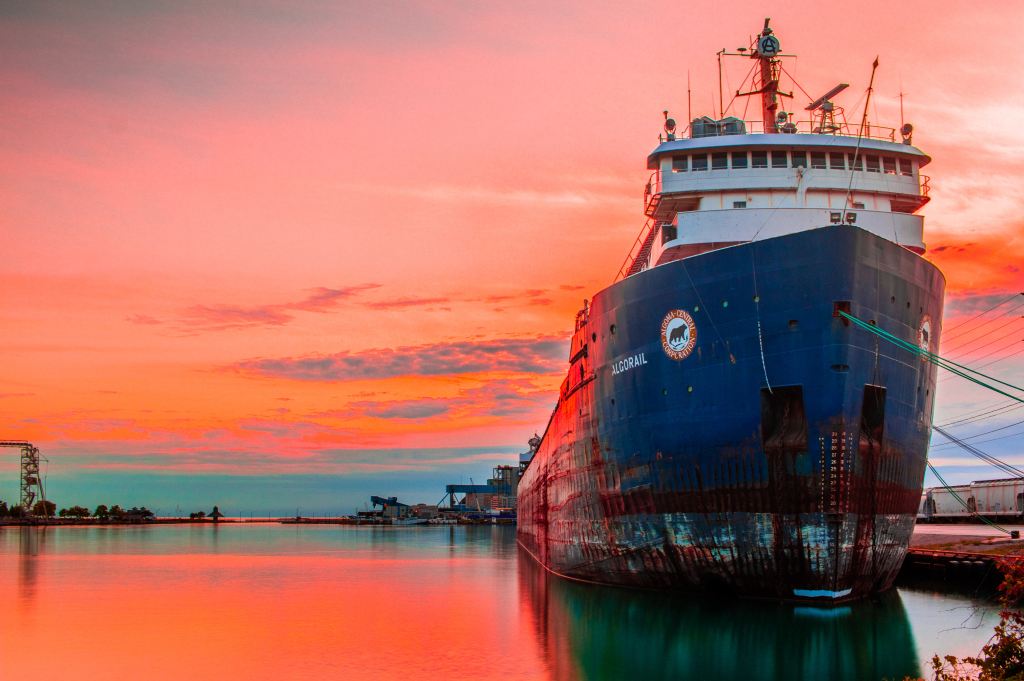
(is the Marine industry going to take away our cheap holidays abroad?)
Happy (IMO) 2020
So we are getting towards the end of the year, and it’s time to look back on the year that has passed and on to the year that will come
So while we are getting around to do our new years resolutions that, as usual, no one will respect the IMO (international Marine Organization) is finally put into force the IMO 2020 rules, and it’s all about Fuel Oil people…isn’t this a great time to be alive?
So before anyone thinks your truly is drunk (which is a fair assumption during the holiday period) let me tell you: this is one of the most exciting, and troubling potentially, change in regulations of the last 20 years.
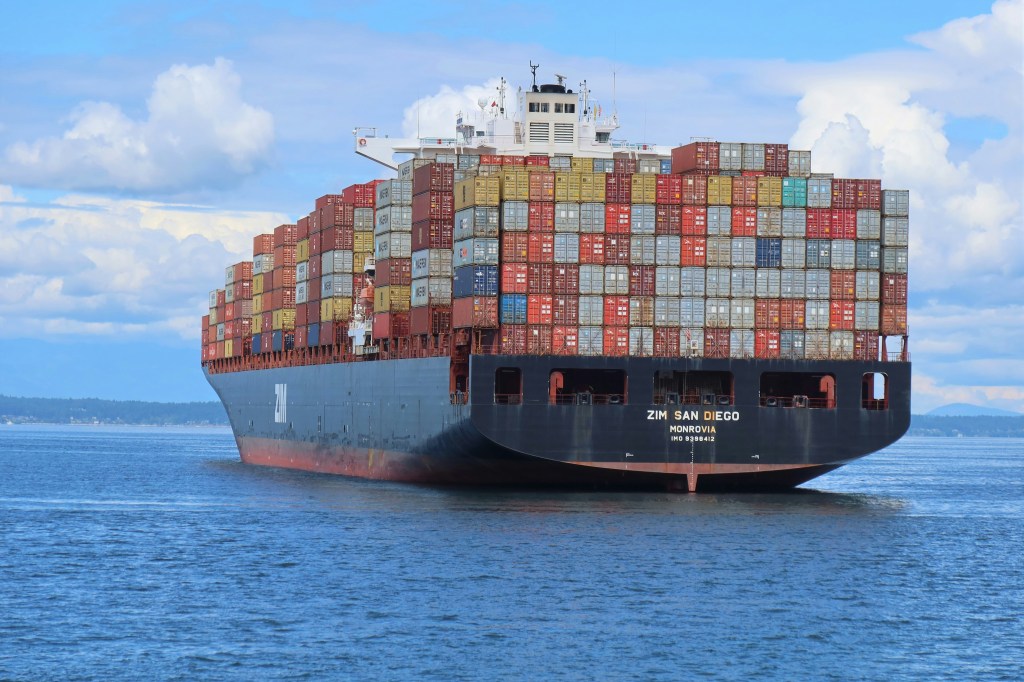
Why? Because 90% of everything travels by ship these days. Your cheap fashion items? Check. Your new I-phone? Check. Your Korean car or Japanese motorcycle? Check. Everything, at a certain stage and in a certain form, has been on a ship at a certain point of the value chain.
And fuel oil, HFO to be precise is the bulk of the fuel that fuels these journeys.
So why does this matters to everyone? Am I saying my cheap made crapola is going to cost more?
No. I mean it might, but not because the cost of transportation.
See, seaborne shipping is one of the most cost efficient ways to move stuff around, Cheaper that truck, rail etc. Almost to the point where the cost of transport for most items is a non-issue. And the switch that is happening will not change this fact that much.
So what’s going on here? Why people should care about a smelly, heavy, polluting byproduct of the refining process that is used to fuel these behemoth that carry our stuff around?
Because, contrary to popular belief, the world is a complicated place. Hence a change in regulation might make your flight tickets next year quite more expensive (and Greta a bit less angry, maybe)
The thing is, so far Fuel oil was the fuel of choice for the seaborne shipping industry. Until the 70s Fuel oil was used a lot also in power generation, especially in Europe (around the model import crude from the middle east, sell gasoline to the US and keep heavy oils and diesel in Europe…but let’s not lose focus here). Fuel oil is an inevitable byproduct of refining and, due to regulations being (rightfully) stricter and stricter, it has become more and more of a burden on the refiners that often do not really know to whom sell the stuff. So far, the taker was the bunkering (as ships fueling operations are called). But the problem is, Heavy Fuel Oil is a dreadful fuel for the environment as it produce all kind of nasty fumes, especially Sulphur related ones, which have the nasty habit of being, amongst other thing, carcinogens(other than smelling really bad, rotten egg kind of bad). So already for a few years certain geographical are requiring ships to switch to Marine diesel, which is still dirty, but less so (it’s similar to the fuel that goes in diesel car). From 2020 onwards, Fuel oil untrated will be essentially, and finally, banned.
Which is great news for coastal cities, at least according to the majority of experts, and foer the environment.
It is also a huge headache for refiners.
Why? Because the fuel oil that was until 2019 sold as bunkering will have to be furtherly treated.
And that means refiners will have to do additional investments, for which there is little appetite and little financing (thanks again, Greta….)
And that means an increase in cost, and less middle distillates available for other ueses, like Kerosene and JET A1
So here we are: a change in marine fuel regulations might cost you your overseas holidays because it might push the cost of fuel for airlines up, and fuel is a substantial part of the cost of your tickets (Airline margins are razor thin contrary to popular belief)
So all is good for the environment at least?
Hold on, not so fast. Some is bad news, some not so much.
- To produce the new fuels, the whole process will inevitably become more carbon intensive ie producing more CO2
- The new fuel produce more fine particles (think pm10 and under) which has been proven to be as nasty as, if not more, the dirty/smelly stuff we want to get rid of
See, I told you the world is a complicated place…
How big is the problem. Big. We will get an idea from this nice Chart, courtesy of the international energy agency

(IEA (2019), “Oil 2019”, IEA, Paris https://www.iea.org/reports/market-report-series-oil-2019)
The light blue stack is the untreated old-school Fuel oil. MGO is marine gasoil/diesel.
Which means that refiners will have to cough up a substantial amount of new rules compliant fuel. We are talking millions of barrels here. And that means that the cost of fuel will go up for everyone.
A side note: the Scrubber.
Might sound like a nickname for a 90s hip hop artist or a 2nd league boxer but the scrubber is really a thing.
See that darker blue stacj that starts in 2020? That is “scrubbed” HFO. Which means that the process of burning fuel is “scrubbed” of most pollutants by a device, the scrubber, which can use various techniques to reduce harmful emissions. So is that a panacea? Well, according to scrubber producers like Solvair, it might.
Reality is, is a good stop-gap measure to retrofit older ships but most people in the industry do ot really consider this to be a valuable solutions going forward as regulations will most likely be tightened further.
Another issue is also that most scrubbers are using marine water to perform the process, meaning that the water then discharged in the sea is not exactly clean. According to industry experts 95% of the water used in “open loop scrubbers”is. The issue is, considering how many ships are sailing around the world, that seemingly small amount of pollutants adds up pretty fast.
So what is my take?
Yeah, the world is complicated. But where some people see a problem, I like to see opportunities.
- Trading opportunities: new rules will cause imbalances, imbalances will cause arbitrage opportunities. Where there is arbitrage, there is money to be made.
- Environmental opportunity: less air travel might mean less pollution. Also, good riddance of HFO. Yes it has a cost, but benefits us all. Money comes and goes, lungs are only 2.
- Tourism: maybe next vacations you will discover that your neck of woods has a lot more to offer than you thought, and instead of jetting to some far away island, you will consider that, after all, Blackpool ain’t that bad. And with global warming actually might even not rain as much.









Leave a reply to Why are shipping rates so high? (a perfect storm of viruses, capacity strain and regulation) – Chainergy Cancel reply