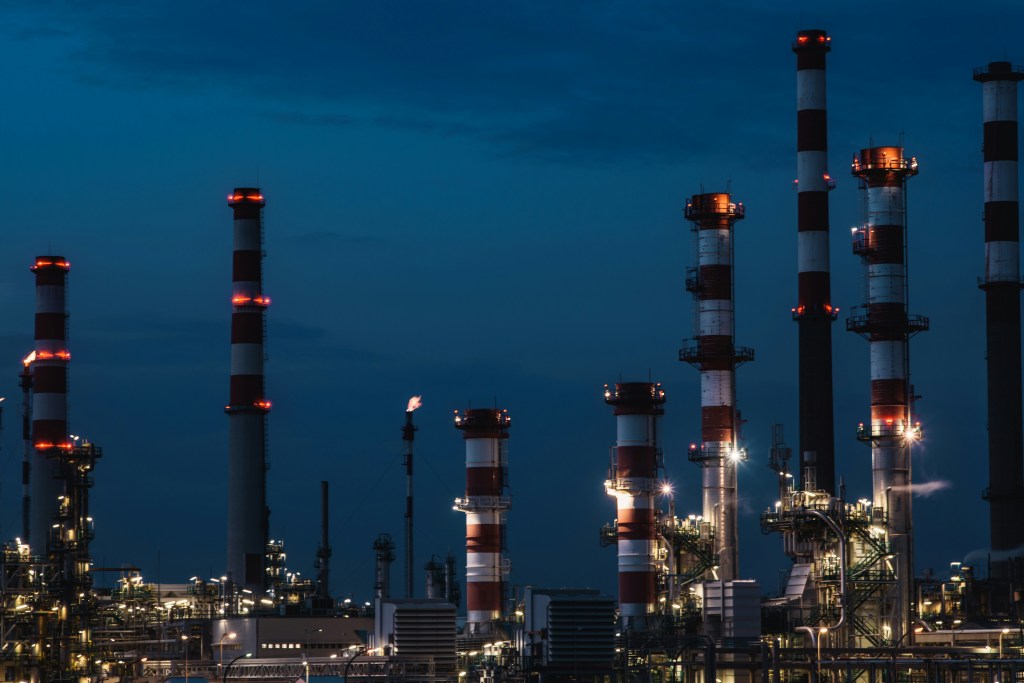
In a world where everyone pretends to be an expert in the latest thing, being it AI, cryptocurrencies or geopolitics, I prefer to write about something I actually know a bit about. I don’t pretend to be an expert, I am not, I am just an accountant (well kinda) with opinions and a passion for international trade. Also I consider myself kid of an “expert” on oil, gas and energy, the sector where I “cut my teeth” professionally speaking. But I do have a passion for commodities (and I traded in coffee first hand) so there is that.
Also, commodities might not be flashy or fashionable yet they are a real as it gets. and without them all your AI this and crypto that would not exist. So let’s start. Ah one last thing: I will NOT talk about investing in commodities. That’s not the purpose of this article nor something I am excited about.
This article is kind of episode 1. In the coming weeks, if I feel like, I will publish more in depth content for all the sections.
Let’s start.
If you’ve ever eaten toast, filled up your gas tank, or checked your phone a hundred times before breakfast (no judgment), congratulations: you’ve interacted with commodities. Commodities are the unsung heroes of modern life. They’re the raw materials, the stuff, the building blocks from which civilization is built. They’re not glamorous like shiny new gadgets or artisanal oat milk lattes—but without them, the world would grind to a halt.
Think of commodities as the ingredients list for the global economy. Gold, oil, wheat, cotton, copper—whether you’re wearing them, eating them, burning them for fuel, or tapping away at them, they’re everywhere. Unlike your favorite brand of sneakers, commodities don’t really care about marketing. Wheat is wheat, oil is oil, and gold is gold. It’s one big category of the “basic but essential.”
Now, let’s wander through this commodity carnival, stopping at the shiny booths of precious metals, the smoky tents of fossil fuels, the food stalls of agriculture, and the quirky corners full of rare minerals and industrial oddballs. Bring your curiosity (and maybe a snack).
Part I: The Shiny and the Sparkly — Precious Metals
Gold: Humanity’s Favorite Shiny Thing
Gold has been making humans swoon for thousands of years. Ancient Egyptians buried their pharaohs with it, medieval kings wore it in crowns, and rappers today wear it around their necks. Why gold? For one thing, it doesn’t rust, tarnish, or dissolve easily. Geologically speaking, it’s rare enough to be special but not so rare that you can’t find it if you try hard enough. Chemically, it’s unreactive, meaning it keeps its sparkle no matter what.
Gold has also powered myths. The Greeks spun tales of the Golden Fleece, the Aztecs and Incas treated it as divine, and modern Olympians bite their medals as if to check they’re real (spoiler: Olympic “gold” medals are mostly silver).
But gold is more than just bling. It’s in your smartphone, helping conduct electricity in tiny circuits. Dentists once used it for fillings (cue shiny smile jokes), and aerospace engineers use it to coat satellites because it reflects heat and radiation. So, gold isn’t just pretty—it’s practical.
Silver: The Sidekick with Superpowers
Silver is like gold’s more industrious sibling. Sure, it looks great as jewelry, but silver also works overtime in industry. It’s highly conductive, which makes it perfect for electronics, solar panels, and medical equipment. Remember those old-school photographs? Yep, silver was key there, too.
Culturally, silver has a whole fan club. Folklore insists it can slay werewolves, ward off vampires, and reflect the soul in mirrors (just ask Snow White’s evil queen). The phrase “born with a silver spoon” reminds us it was once the luxury cutlery of choice. A precious metal that doubles as a horror-movie prop and a dinner table flex? That’s versatility.
Platinum, Palladium, and the Catalytic Crew
Then we’ve got the lesser-known stars: platinum, palladium, and rhodium. They’re rarer than gold and silver and not as flashy, but they’re essential. Without them, catalytic converters in cars wouldn’t work, and cities would be even smoggier than they already are. These metals are basically the unsung environmentalists of the periodic table.
Fun cultural tidbit: platinum has become shorthand for “better than gold.” Think “platinum albums” or “platinum credit cards.” Somewhere along the way, society decided that platinum is the fancier, VIP version of success.
Part II: Black Gold and Fiery Rocks — Energy Commodities
Oil: The Goo That Changed Everything
Crude oil is often called “black gold,” and for good reason. Without oil, the 20th century would have looked very different. Your car, airplane, or bus? Powered by oil derivatives. Plastics? Made from petrochemicals. That polyester shirt you swore you’d stop wearing in the summer? Yep, oil-based.
Oil’s origin story is straight out of a geology comic: millions of years ago, plankton and algae died, sank to the seabed, and got buried under sediment. Time, heat, and pressure worked their magic, and voilà—crude oil. It’s refined into gasoline, diesel, jet fuel, kerosene, and even the plastic bottle you’re drinking from.
Oil is also the star of geopolitics. Nations have risen and fallen over it, alliances have formed because of it, and wars have been fought for it. It’s not just an energy source; it’s a global chess piece. In pop culture, it’s been the backdrop for everything from “Dallas” to James Dean’s Giant, both of which suggest that striking oil is as much about drama as it is about wealth.
Natural Gas: The Friendly Flame
Natural gas is the cleanest-burning fossil fuel, though “clean” here is relative—it still releases carbon dioxide, just less than coal or oil. It heats homes, powers stoves, and helps generate electricity. Chemically, it’s mostly methane. And that distinctive “gas smell”? That’s not natural. It’s added (mercaptan, if you want to impress your trivia friends) so you can detect leaks before your house goes kaboom.
It’s also key in producing fertilizers, which means natural gas is indirectly feeding billions of people. So next time you’re munching on cornflakes, give a silent nod to natural gas. Bonus trivia: in some cultures, natural gas has even become a tourist attraction—think of Azerbaijan’s “burning mountain,” a hillside where gas leaks have been fueling flames for centuries.
Coal: The Original Energy Rock Star
Coal powered the Industrial Revolution. Without it, no steam engines, no mass steel production, no Dickens novels full of smog. For centuries, coal was king. Today, it’s less popular thanks to its carbon footprint, but it still fuels power plants in many parts of the world.
Coal’s journey from underground seams to fueling locomotives is iconic. But now, it sits awkwardly at the energy family reunion—once the star, now the relative everyone avoids talking to because of climate change. In Victorian England, coal soot literally blackened buildings and inspired novels where “pea-soup fog” was practically a supporting character.
Renewables: The New Kids on the Block
Technically, sunlight and wind aren’t “commodities” in the traditional sense (you can’t ship a barrel of wind), but the materials needed to harness them—silicon for solar panels, rare earths for wind turbines—definitely are. Ironically, even clean energy depends on mining and materials. Green isn’t always simple. Just ask anyone who’s tried to build a wind turbine without steel or copper—it doesn’t exactly spin.
Part III: Eat Your Commodities — Agricultural Staples
Grains: Civilization’s Backbone
Wheat, rice, and corn are the ultimate commodities. They’ve shaped civilizations, diets, and even religions. Wheat gave us bread, which gave us sandwiches, which arguably gave us civilization itself. Rice is a staple for billions, especially in Asia, where it’s woven into culture and tradition. Corn (or maize) is astonishingly versatile—tortillas, popcorn, high-fructose corn syrup, and even biofuels.
Also, let’s not forget: grains gave us beer. Humanity’s relationship with barley might be the longest-running happy hour in history. Ancient Egyptians even paid workers in bread and beer. Imagine your paycheck coming with a six-pack.
Coffee, Cocoa, and Sugar: The Fun Commodities
Coffee is the global productivity fuel. Ethiopia gave it to the world, and now it’s traded internationally with near-religious devotion. Entire economies perk up with it, and countless deadlines get met because of it. In Italy, coffee is practically an art form, while in the U.S., it’s more of a survival strategy.
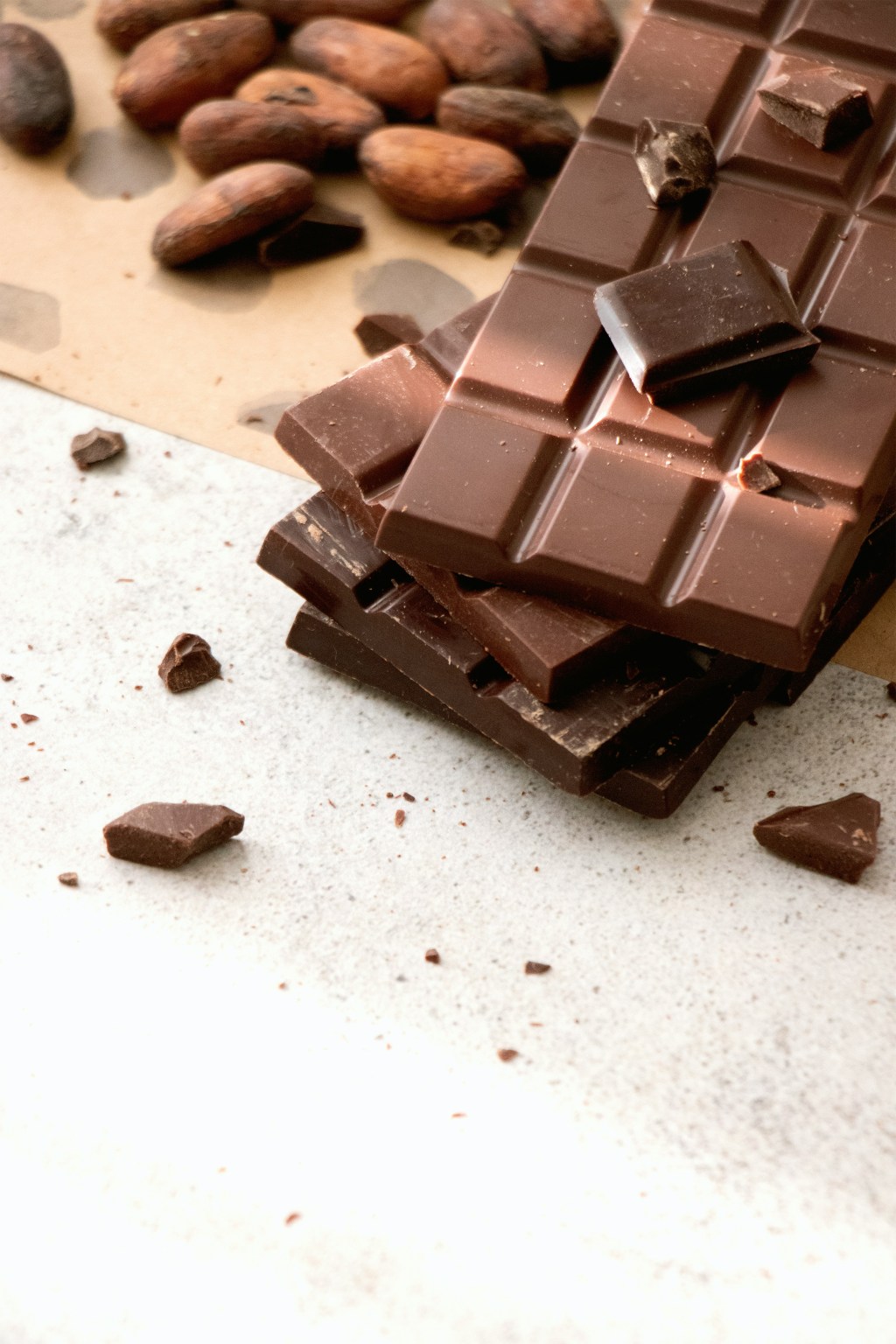
Cocoa’s story is bittersweet (literally). Indigenous peoples in Central America were drinking chocolate long before it became a European luxury. The Aztecs considered it a gift from the gods and sometimes even used cocoa beans as currency. Fast forward a few centuries, and we’re unwrapping candy bars like they’re tiny treasures.
Sugar, too, has a complicated legacy. Once a rare luxury in Europe, it fueled the infamous “sugar rush” that powered colonial empires—and not in a good way. Today, sugar sneaks into almost everything. Your bread, ketchup, and even so-called “healthy” snacks are part of its sweet empire.
Livestock: Walking Commodities
Cows, pigs, and chickens are as much commodities as they are animals. They’re measured in heads, herds, and pounds of meat. Beef, pork, chicken, and dairy keep billions of people fed and entire industries humming.
But livestock also come with environmental baggage—methane emissions from cows, deforestation for grazing land, and water use. Still, they’re central to diets and economies worldwide. Fun fact: in some cultures, cows are sacred, while in others, they’re the centerpiece of a barbecue. Talk about cultural range.
Soft Commodities: Cotton, Rubber, and Timber
Cotton: the fabric of our lives (as one very catchy ad once put it). From ancient India to modern sweatshirts, cotton has clothed the world. Gandhi even spun it as a symbol of independence during India’s freedom movement.
Rubber: first tapped from trees in the Amazon, now mostly from Southeast Asia. Without it, no tires, no bouncy balls, no elastic waistbands. During World War II, the scramble for rubber supplies became a global strategic priority.
Timber: houses, furniture, paper—wood is everywhere. Entire empires were once built on controlling forests and ships. And if you’ve ever read fairy tales, timber shows up there too—think enchanted forests and wolf-proof wooden houses.
Part IV: The Oddballs — Industrial and Rare Commodities
Industrial Metals: Civilization’s Toolkit
Copper is civilization’s wiring. It conducts electricity like a champ, making it essential for power grids and electronics. Ancient civilizations used it for coins, jewelry, and tools—talk about a long résumé.
Iron and steel: bridges, skyscrapers, cars, knives, spoons—basically anything solid and metallic owes a debt to them. Iron ore smelted into steel is the literal backbone of cities. The Eiffel Tower? All steel.
Aluminum: light, strong, and recyclable. From soda cans to airplanes, it’s everywhere. Fun fact: aluminum used to be more valuable than gold until we figured out how to produce it cheaply. Napoleon III of France even reserved aluminum cutlery for his most honored guests—everyone else had to settle for gold.
Nickel and zinc: not as famous, but essential in alloys, batteries, and galvanization (a fancy word for rust-proofing). If you’ve ever tossed coins into a fountain, chances are you were chucking around some nickel and zinc.
Rare Earth Elements: The Invisible Essentials
They sound exotic—yttrium, neodymium, dysprosium—but rare earths are everywhere in your electronics. Your smartphone vibrates thanks to them. Your earbuds? Same story. Wind turbines and electric cars? Powered by rare earth magnets. Despite the name, they’re not that rare, but they’re tricky to mine and process. China currently dominates production, making them geopolitically important.
Rare earths may not have much cultural clout yet, but give it time. In a hundred years, kids might be trading collectible cards of their favorite elements. (“I’ll swap you my praseodymium for your neodymium!”)
Salt: The OG Commodity
Before refrigeration, salt was life. It preserved food, flavored meals, and even acted as currency. The word “salary” comes from the Latin for salt, because Roman soldiers were sometimes paid with it. Wars were fought over salt. Gandhi famously marched to the sea to make salt as a protest against British colonial taxes. Few commodities have literally sparked revolutions.
And today, while it’s cheap and ubiquitous, it’s still essential. Your fries wouldn’t be the same without it.
Part V: The Human Side of Commodities
Commodities and Culture
Commodities aren’t just stuff; they’re identity markers. Tea isn’t just a drink in Britain—it’s a cultural ritual. Rice isn’t just food in Asia—it’s a symbol of prosperity and family. Corn in Mexico isn’t just sustenance—it’s mythology. The Mayan creation story even describes humans as being made from maize dough. That’s devotion.
Religions and traditions also lean heavily on commodities: wine in Christian rituals, oil lamps in Hindu festivals, bread in sacred meals. Commodities feed not just the body but also the spirit.
Global Trade Routes: From Camel Caravans to Container Ships
The story of commodities is the story of trade. The Silk Road carried silk, spices, and gold. The spice trade reshaped continents and sparked colonial empires. Today, container ships (basically floating Lego bricks) carry everything from soybeans to crude oil around the world.
Commodities connect distant lands. A cup of coffee might involve beans from Brazil, sugar from India, and milk from New Zealand. It’s globalization in your mug. And those container ships? They’re the unsung heroes of modern storytelling—floating libraries of human needs.
Challenges and the Future
Commodities face big challenges: climate change affecting crops, dwindling resources, and the tension between consumption and sustainability. Recycling metals, developing cleaner energy, and shifting diets are all part of the conversation.
Yet, the world can’t function without commodities. They are—and will remain—the foundation of modern life.
Conclusion: Why Commodities Matter (Without the Boring Bits)
So there you have it: the ABCs of commodities. They may not have catchy ad campaigns (except cotton), but they are the real MVPs of civilization. From the gold in your ring to the oil in your car, from the wheat in your bread to the copper in your phone, commodities make the world tick.
Next time you sip coffee, charge your phone, or salt your fries, remember: you’re participating in a global story of trade, history, and human ingenuity. Commodities may be ordinary, but they’re also extraordinary. And they’ve been quietly running the world—without so much as a thank-you note—for millennia.
So maybe raise a toast (made from grain, naturally) to the humble heroes of human history: the commodities that keep us clothed, fed, warm, and, above all, endlessly caffeinated.




 Chainergy
Leave a comment