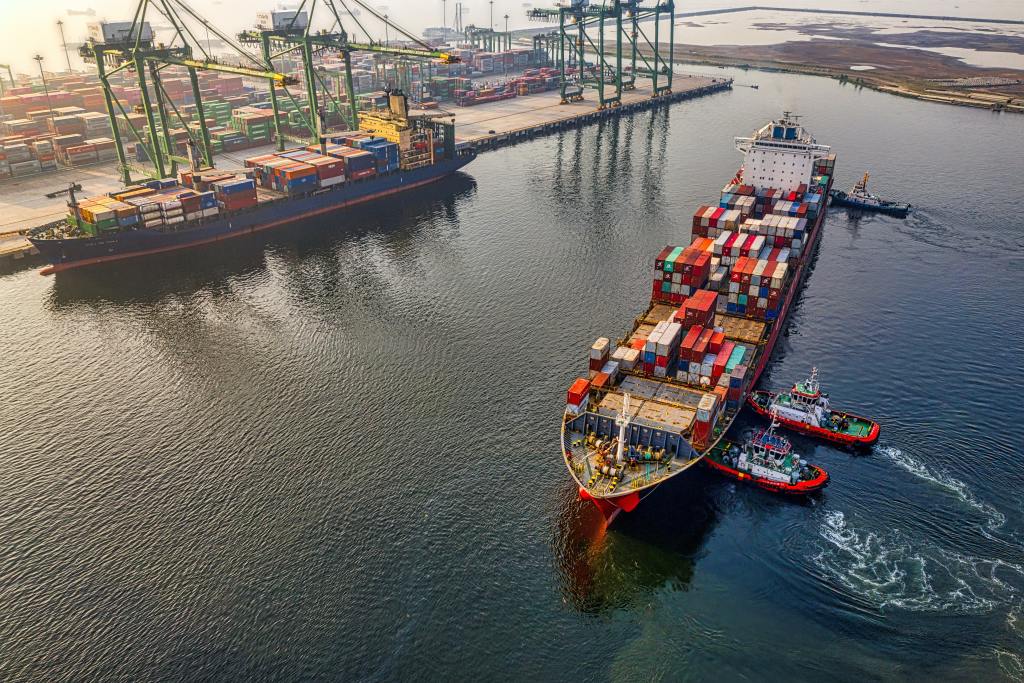
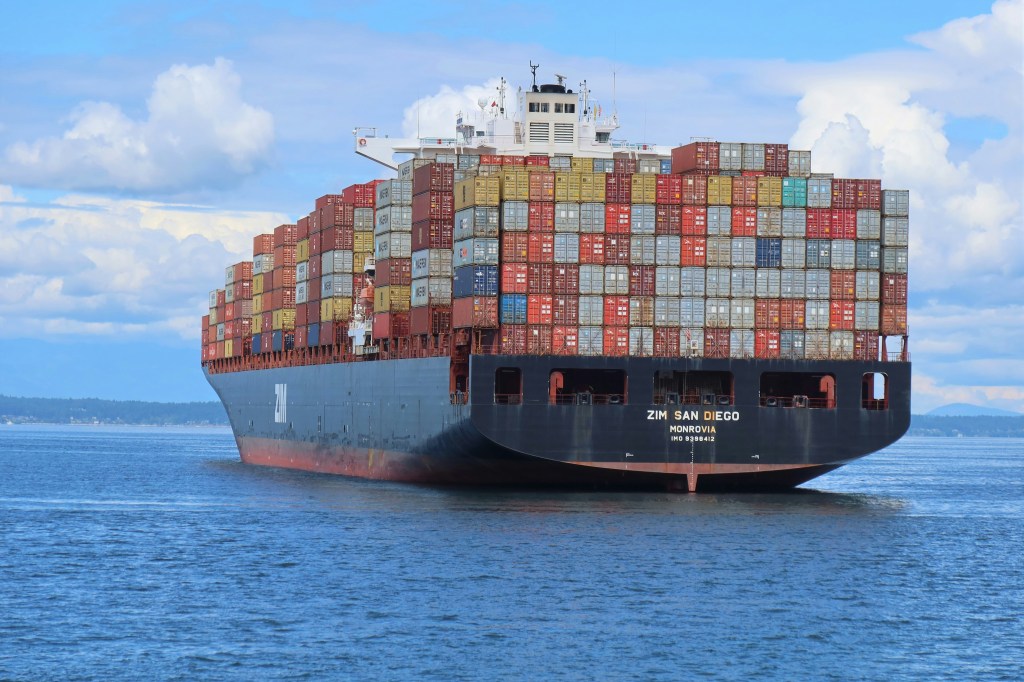
Shipping industry all over the news lately. Shipping rates are going through the roof and the delays are affecting the whole global supply chain both for bulk carriers and for containers (especially for containers) so what’s going on?
The reasons of the increase in shipping rate is due to a multitude of factors, some of which are connected with the pandemic, some of which are structural and even regulatory.
As usual, the world is a complicated place, and seemingly unrelated issues end up connecting to create a storm on the global market.
So what exactly is going?
Let’s try to put a bit of order.
The first point, kind of the obvious one, the pandemic. As the world ground to a halt in 2020, factories in China reduced or halted completely the production, while ports in the West were getting to a very low level of activity if not completely shut down due to Covid outbreak. This has led to an accumulation of empty container in consumers countries, and a lack of containers in places like China and Vietnam. The level of saturation of storing spaces in western ports has reached levels which are, for lack of a better term, concerning. The various port authorities and terminal operators are taking measures to clear up the backlog of containers, however, the process is neither fast nor cheap, and constrictions on the availability of both infrastructure (cranes, terminal) equipment(trucks) and personnel are making the effort and progress slow.
Plus, all these containers need to be shipped back to the factories that need to load the goods in them. This means a lot of voyages for ships with empty containers.
The problem of having ships travelling with what are essentially empty boxes is that someone will have to pay for these otherwise loss-making operations which means that the cost of this repositioning operation is, in the end, reflected in higher shipping rates all around.
But aren’t shipping rate already higher? Yes, and they are not going to come down anytime soon.
The clearing of the backlog will get some time, and on top of that new capacity (read: new ships) will take a while before it will come online.And the shipping industry being the shipping industry, it will all come online when the demand will have subsidized depressing the rate for all. It is probably going to be less bad than in the past, since in the last 20 years there has been a wave of consolidation in the sector, and firms like Maersk or MSC account for an ever-increasing share of the world seaborne trade. But if history is any teacher…
Why it takes so much time to clear up the glut of containers around the world? There are the capacity constraints and then there is regulations. More specifically, a specific piece of regulation: the Jones Act of 1920. This is an American legislation, obscure to the masses. It essentially mandates that, in order to move goods between American ports, ships must be built, crewed and carry the flag of the USA. How is this law affecting the delivery of containers? Simple. Most of the glut of empty containers is in major US ports like LA, Savannah (GA) Houston or Long Beach. This are massive piece of infrastructure where goods are then transferred on smaller ships (or railcars and trucks, but this is a different matter) to initiate what is called “cabotage” in shipping parlance, alas domestic shipping between a nations ports. This is where the Jones Act, designed for security rather than market efficiency, creates a scarcity of ships and crews which makes the problem even worse. The Jones Act, for all its critics, is unlikely to be repelled any time soon. And while ship operators qualifying for this service are ripping enormous benefits, the scarcity creates a further constraint on an already red-hot market. And being the US the biggest consumer economy in the world, it affects us all.
Is this all? Of course not.
Because there is also the Panama Canal.
As I am writing, the Panama Canal is dry. I mean not completely dry, but In Panama, the last seven years have brought unprecedented droughts, forcing the Panama Canal to restrict the amount of cargo on ships passing through.
Which means that there are now up to two weeks waiting time to cross the canal. Which means that many ships are taking the long way under through Cape of Good Hope.
Which means longer transit time and, of course, higher costs: more fuel, longer voyages etc.
Are we done yet with good news? Of course not.
Then there is fuel.
Which fuel you might argue? The VLSFO. And Marine diesel. The stuff that powers the ships.
So here is what is happening: in the last few years shipping companies had started to slow down their ships substantially in order to save fuel. The gains have been massive, in terms of fuel efficiency. However now the same shipping companies have restarted to speed up the ships, to make up for the longer transit times, and to save on demurrages. Demurrages are penalties that a ship owner must pay if it is delayed for too long or if it fails to load/unload in time. Since demurrages are often not linear (ie increase the longer the delay lasts) a few days on a long voyage can mean a lot of money. More than what is spent on fuel, in fact.
The problem is, that the supply of fuel was already tight for a number of reasons: VLSFO, or Very low Sulphur fuel oil was introduced by the IMO(International Marine organization) in 2020 as a better and more environmentally friendly alternative to HFO, the stuff that used to be the standard fuel for ships. (more on that here)
However its cost is higher than HFO and supply is tight. Plus the delays and bottlenecks that affect the bulk and container shipping sectors, are affecting oil tankers as well. Hence there is a certain scarcity in the market which means prices are under pressure. And there is a certain bullish sentiment in the oil market at large, with the Brent quotation above 80 USD a barrel. If bullish sentiment persists, we are likely, according to some traders, to see VLSFO exceeding 100 USD a barrel in 2022. As usual, the world is a complicated place. And shipping rates are unlikely to come down significantly any time soon. Enjoy your Christmas shopping, fellas…





 Chainergy
Leave a comment