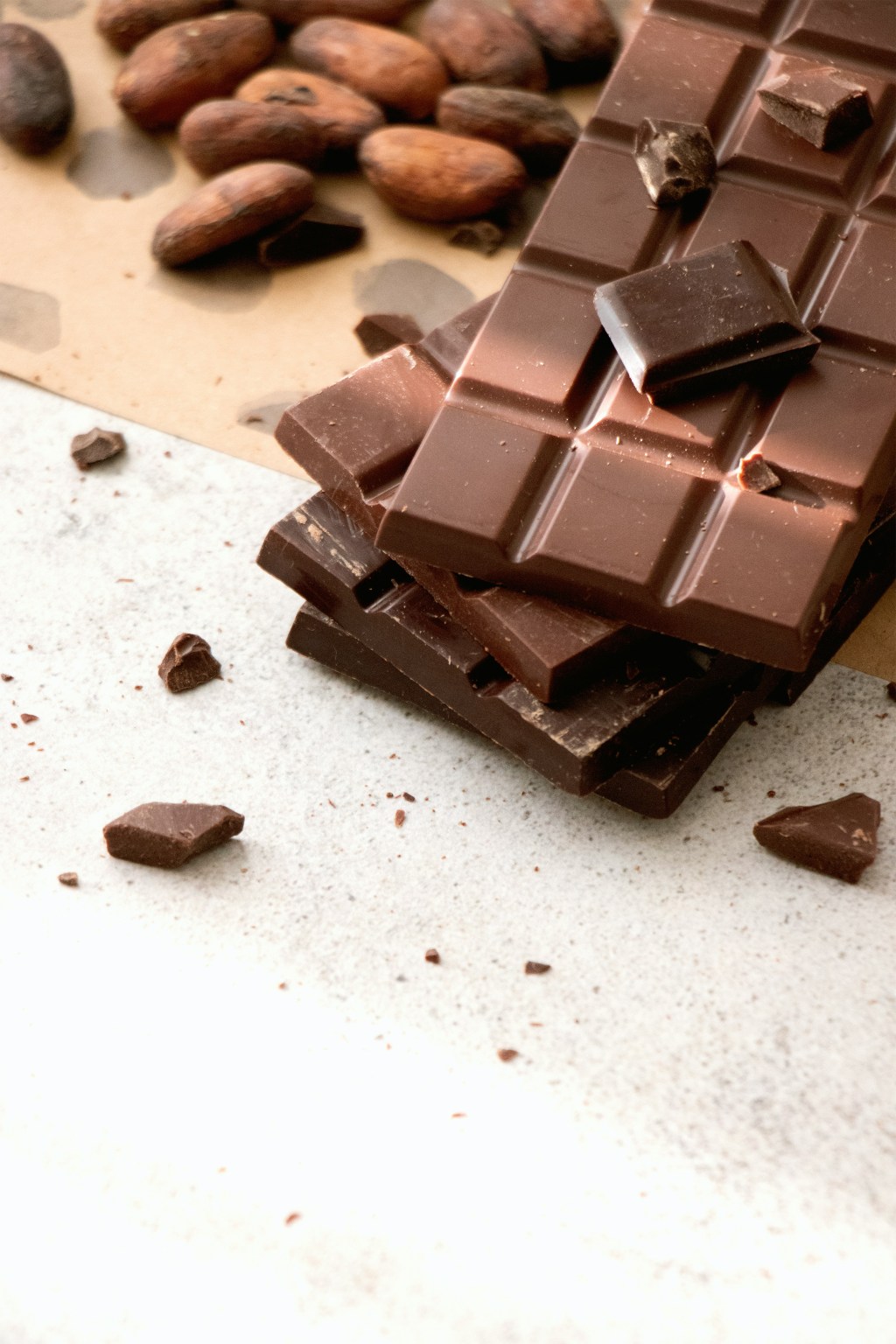
I must admit, alkhaloids are my passion. They always were, they alwas will be. Caffeine and Thobromine be my go to choice when times are tough. Or when they are good. Or when…
Yes, the effects on the waistline can be negative. But…you only live once, don’t you. Plus with age you tend to learn to consume less but better quality, don’t you?(No you don’t. You consume more AND better quality), Anyway…
Ah, chocolate. That glorious, melt-in-your-mouth miracle worker that has pulled us through breakups, boosted our moods, and served as the universal currency of apologies (or bribes, depending on the situation). It’s not just a treat; it’s a tiny, edible hug.
But have you ever stopped to think about the epic, globe-trotting adventure each bite of that rich, dark, or milky confection has undertaken to reach your eager palate? Prepare yourself, because the journey of your chocolate fix is a saga worthy of an Indiana Jones film, complete with unpredictable weather, geopolitical intrigue, and a surprisingly dramatic subplot involving shipping containers.
Let’s start at the very beginning, a very good place to start, with a humble bean. Specifically, the cacao bean, the unassuming superstar of our story. Most of the world’s cacao originates in a narrow band around the equator, primarily in West Africa, with Côte dIvoire and Ghana leading the charge. Imagine lush, tropical forests, where cacao pods hang like colourful, elongated footballs directly from the tree trunks.
The farmers who cultivate these precious pods are the unsung heroes of our chocolate narrative. Their days are dictated by the sun, the rain, and the delicate dance of growing a crop that is, frankly, a bit of a diva.
Cacao trees are picky; they need specific temperatures, consistent rainfall, and protection from strong winds. A little too much sun? Stress for the trees. A prolonged drought? Disaster. A torrential downpour at the wrong time? Mouldy beans, and nobody wants that in their truffle.
This is where the first serious insight (and potential heartache) creeps in. Weather, my friends, is not just a conversation starter; it’s a commodity market mover. A poor harvest due to erratic weather patterns – perhaps a particularly fierce El Niño or a prolonged dry season – means less cacao. Less cacao, of course, means higher prices for the raw material. And just like that, the universe conspires to make your emergency chocolate stash a tad more expensive. The farmers, who often operate on razor-thin margins, are at the mercy of Mother Nature’s whims, making their livelihood as unpredictable as a toddler on a sugar rush.Once harvested, the cacao pods are cracked open, and the beans, encased in a sweet, white pulp, are extracted. Then comes the crucial fermentation process, where the beans develop their characteristic flavour and aroma. This is a bit like a spa day for the beans, preparing them for their glamorous future. After fermentation, theyre dried, usually under the sun, until they’re ready for the next big leap: the global market.
Now, imagine these sun-dried beans, bagged up and ready for their grand tour. This is where geopolitics enters the chat, often with the subtlety of a bull in a chocolate shop. Many cacao-producing regions, particularly in West Africa, have faced their share of political instability, economic challenges, and social unrest. Civil wars, coups, or even just significant policy changes can disrupt the entire supply chain. Roads might become impassable, ports might face closures, and the very act of transporting beans from farm to export hub can become a logistical nightmare.
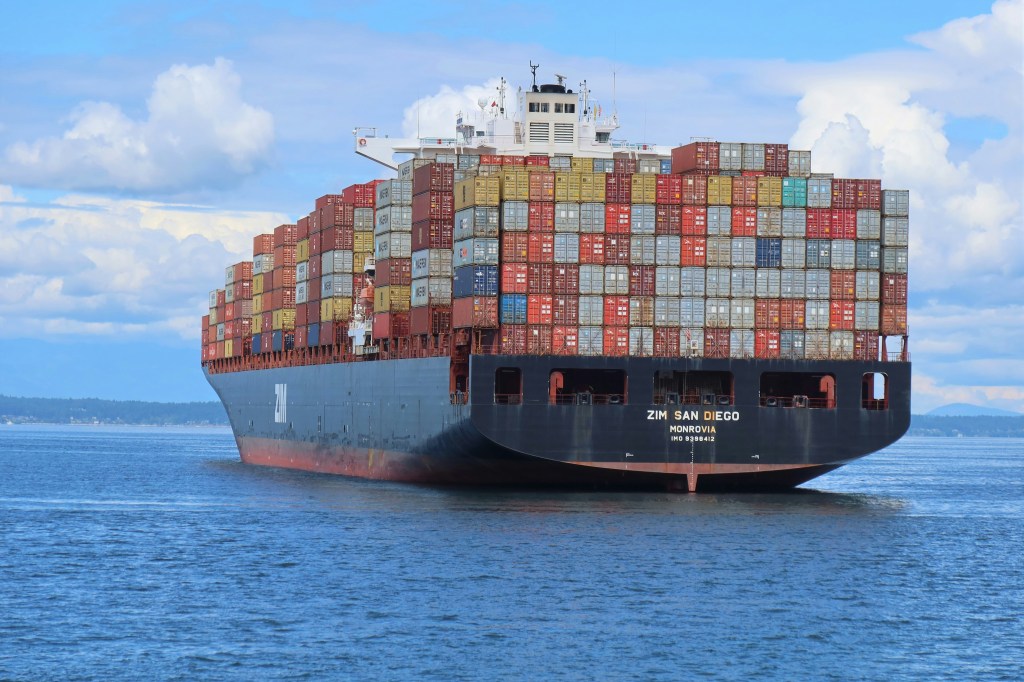
When a major producing country experiences political turmoil, the uncertainty alone can send ripples through the global cacao market. Traders, ever the nervous Nellies of the financial world, react swiftly. If there’s a risk of supply disruption, prices surge. Conversely, if a government offers subsidies or encourages increased production, prices might dip. So, the next time you bite into a piece of chocolate, remember that it might just carry the faint echo of a political debate happening thousands of miles away. It’s a sobering thought, isnt it? Your comfort food is literally a product of global stability (or lack thereof).Once the beans navigate the domestic political landscape, they embark on the next leg of their journey: the high seas. Most cacao beans travel by cargo ship, packed into massive containers. And here, dear reader, we encounter the unsung hero (or villain, depending on your perspective) of our tale: shipping costs.Remember the good old days (pre-2020) when shipping a container across the world seemed like a reasonably priced affair? Oh, how naive we were! The pandemic threw a wrench into global logistics that made an untamed cacao forest look like a perfectly manicured garden.
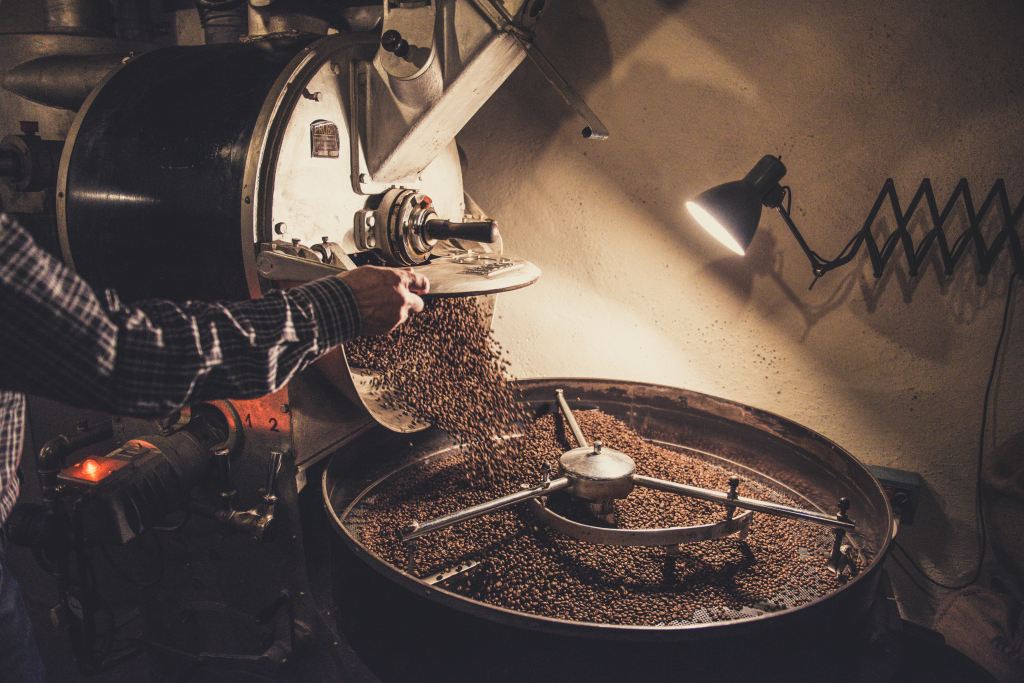
Port congestion, labour shortages, sky-high fuel prices, and a sudden surge in demand for goods meant that the cost of shipping a single container skyrocketed. What once cost a few thousand dollars could suddenly cost ten times that or more.Imagine our little cacao beans, nestled snugly in their container, oblivious to the fact that their journey is now contributing significantly to the final price of your chocolate bar. These increased shipping costs dont just magically disappear; they are absorbed by the chocolate manufacturers and, inevitably, passed on to you, the consumer. So, the next time you wince at the price tag of your favourite artisanal bar, spare a thought for the overworked, under-appreciated cargo ship that brought those beans across the ocean, probably paying a small fortune to do so. Its not just the fancy packaging youre paying for; its the Suez Canal toll, too!Upon arrival at their destination port, usually in Europe or North America, our beans are far from done with their transformation. This is where the magic of processing begins. The raw cacao beans are roasted, a critical step that further develops their flavour. Imagine the aroma filling the air – a chocolatier’s dream! Then, they are winnowed (the shells removed), and the inner nibs are ground into a thick, liquor-like paste called chocolate liquor. This liquor is then pressed to separate the cocoa butter (the rich, fatty part) from the cocoa solids (the dark, flavourful powder).And this is where the chocolate-making truly branches out. Dark chocolate often contains more cocoa solids and less sugar.
Milk chocolate introduces, you guessed it, milk powder, along with more sugar. White chocolate, bless its controversial heart, contains only cocoa butter, sugar, and milk solids, conspicuously lacking the cocoa solids that give chocolate its brown colour.Each of these processing steps, from roasting to conching (a long mixing process that refines the texture and flavour), requires energy, skilled labour, and specialized machinery. These are all costs that add up. Energy prices, just like shipping costs, can fluctuate wildly, impacting the final production expense. Labour costs, particularly in countries with higher wages and stronger labour protections, also contribute significantly. And lets not forget the research and development that goes into creating new flavours, perfecting textures, and ensuring food safety.Finally, after all this globetrotting, all this processing, all this careful crafting, your chocolate fix is moulded, packaged, and shipped to a store near you. From the humid embrace of a West African cacao farm, through the choppy waters of international shipping lanes, past the whirring machinery of a processing plant, it arrives, pristine and perfect, ready to fulfil its destiny in your hands. So, what serious insights can we glean from this whirlwind tour of a cacao bean? Firstly, the price of your chocolate is a direct reflection of a complex global ecosystem. It’s not just about the brand or the type of chocolate; it’s about the health of the planet, the stability of nations, and the efficiency of global trade.
Secondly, every purchase you make has a ripple effect. Choosing ethically sourced chocolate, for example, can support sustainable farming practices and fair wages for those original cacao farmers, helping to buffer them against the whims of weather and market volatility. It’s a small act with potentially significant global impact.And lastly, perhaps a little more gratitude for that unassuming bar of chocolate. It’s not just a sweet treat; it’s a testament to human ingenuity, global interconnectedness, and the sheer audacity of a tiny bean to embark on such an epic journey. The next time you unwrap that foil and savour that first bite, take a moment. You’re not just eating chocolate; you’re tasting a story, a history, and a future, all wrapped up in one delicious, unexpected journey. And that, my friends, is a fix worth savouring.
One last point: While the exact numbers are closely guarded business secrets, a general breakdown of the price for a premium chocolate bar might look something like this:
Raw Materials: 25%
Processing & Production: 15%
Packaging: 10%
Marketing & Sales: 25%
Overheads & Profit: 25%
As for coffee and other treats, you are essentially pay a serving of marketing and overhead with a side of product. Nothing wrong with it but please, spare a thought for the farmers sitting at the base (and doing the actual hard work) of this value pyramid.


 Chainergy
Leave a comment