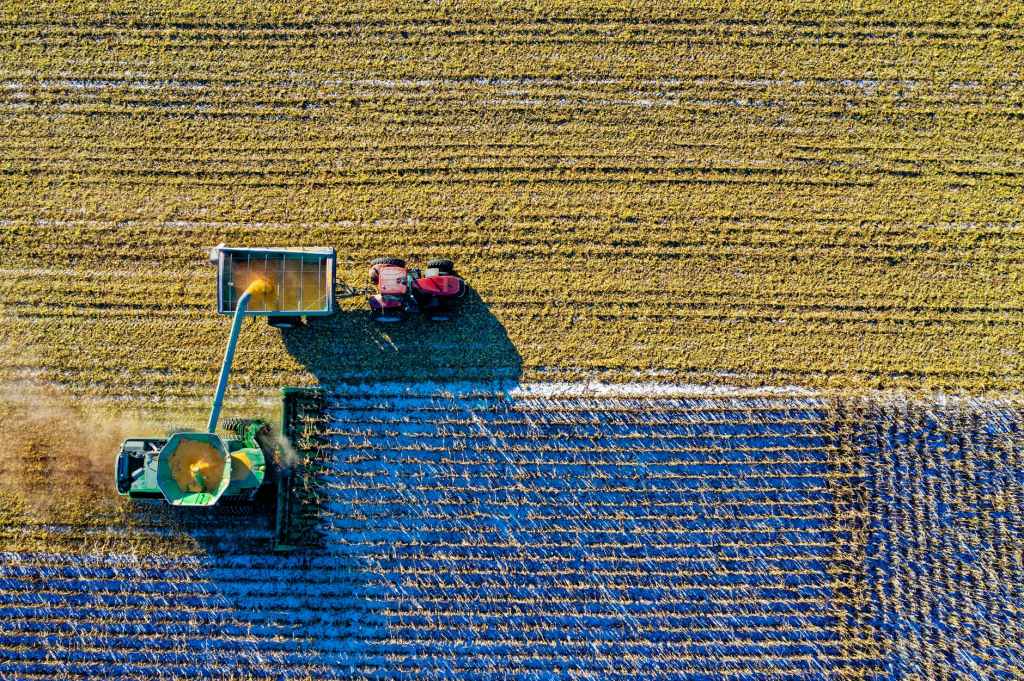
There is a corner of the market that I have rarely touched on this blog. Fertilizers. I have rarely touched on it because both the inputs, and the outputs, are some of the least appealing, at least visually (and nasally…) products one can imagine.
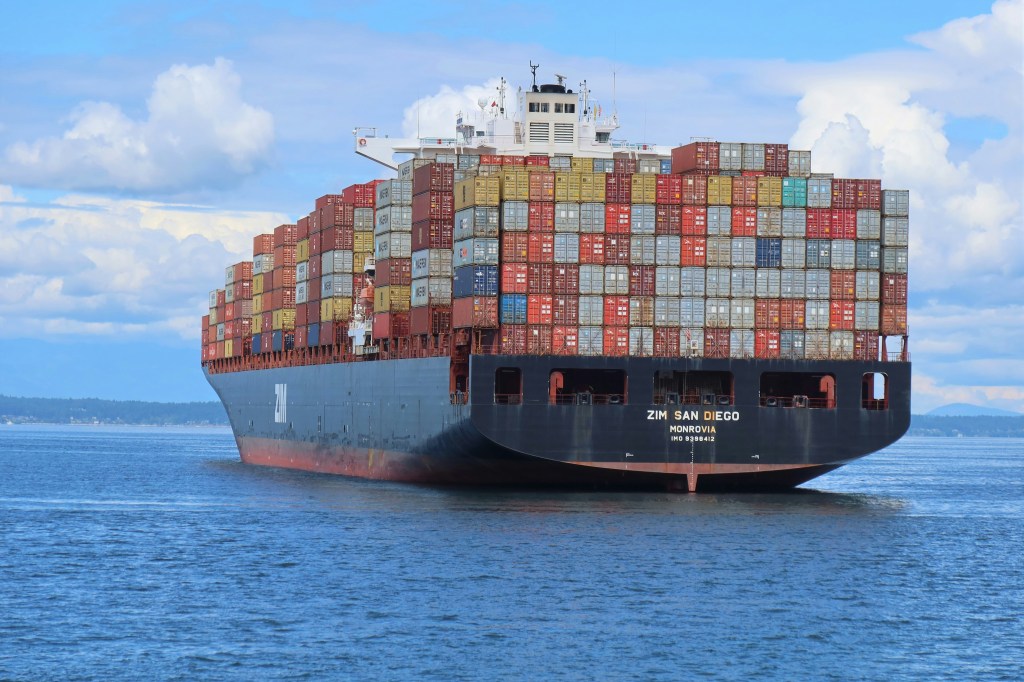
However today I was pondering something around this line: “gas prices are through the roof and so are shipping rates. I wonder how long it will take before the inflationary pressure is going to affect food production”. Well, truth to be told, the inflationary pressures are already affecting food production. There is a dearth of inputs, in terms of spare parts and other farming equipment. The price of which has jumped anyway on the supply bottlenecks in China.
The price of oil has affected badly both its direct consumption for agricultural productions (a Tesla tractor is not to be seen anytime soon) and as an input in many of the productive processes connected with farming.
And now, in Europe at least, there is another problem: Potash.
Potash is a mineral, rich in potassium, which is one of the key inputs in the production of fertilizers (approximately 95%) to support plant growth, increase crop yield and disease resistance, and enhance water preservation. So not exactly a secondary ingredients, especially because, thanks to global warming, in many cases we are seeing a decrease in the rainfall (when it matters. Overall rainfall is not really decreasing, but when the rain falls matters as much as how much of it we get).
Why we have a scarcity of this mineral? Because of people running Belarus, essentially. The guy with moustaches, to be precise: Lukashenka. Let me rephrase it: since the Belarusian government is at odds with the EU and US over the treatment of dissidents and the migrant crisis, Belarus itself, which has the world second biggest potash reserves (after Canada) and has the third biggest production (after Canada and Russia), has been hit by sanctions. Which means Belarus might not sell its potash to its nearest, geographically speaking, client: the European fertilizer industry.
According to insiders, because of the high price in gas, some of the key industry players such as BASF and Yara, the Norwegian fertilizer giant, have already found difficulties in keeping production levels, due to the high prices in natural gas. Sanctions to Belarus might be the last straw. There is of course the possibility to tap into the production of Canada and Russia for making up the missing Belarusian volumes. But this is not going to be cheap, as prices for potash exports from Canada have increased substantially.
And then there is the issue of gas: not only the price of gas has been consistently high, but the availability is also a source for concern. This has led to an upward pressure on almost all the components of the fertilizer industry.
The problem with fertilizers is that the effect of a price increase is not felt immediately: the effect of consistently high prices will force farmers to reduce the use of fertilizers, leading to consistently lower yields in crops for 2/3 years down the road. And contrary to the simplistic view that “fertilizers= BAAAD”, quite the opposite is true: less fertilizers means more water and increase of other inputs for a lower production. Not exactly great if we think in climate, and feeding perspectives.
The “green deal” pushed in Europe foresees a reduction in the use of chemical fertilizers, so someone might argue that this could be good news in the long run. I am not sure this to be the case: increase in the gas bill and in food price might further spark social unrest, in an already tense social environment thanks to Covid and the already present inflationary pressure. A sharp downturn or an inflationary flame, could break down the consensus around climate action. Such a broad array of policies and change requires consensus, without it, they are dead letter. And there is already a mounting backlash against the so called “Green new deal”.
Of course reducing the use of fertilizers must be an objective. However this cannot be done at the expense of food production or at an exorbitant cost only for the poorest strata of the population (which are the very people mostly affected by high food prices).
The winter ahead will require careful decisions from both the European Central Bank and the EU. However, whereas I have a good deal of trust in the former, I am not too sure about the latter.




 Chainergy
Leave a comment