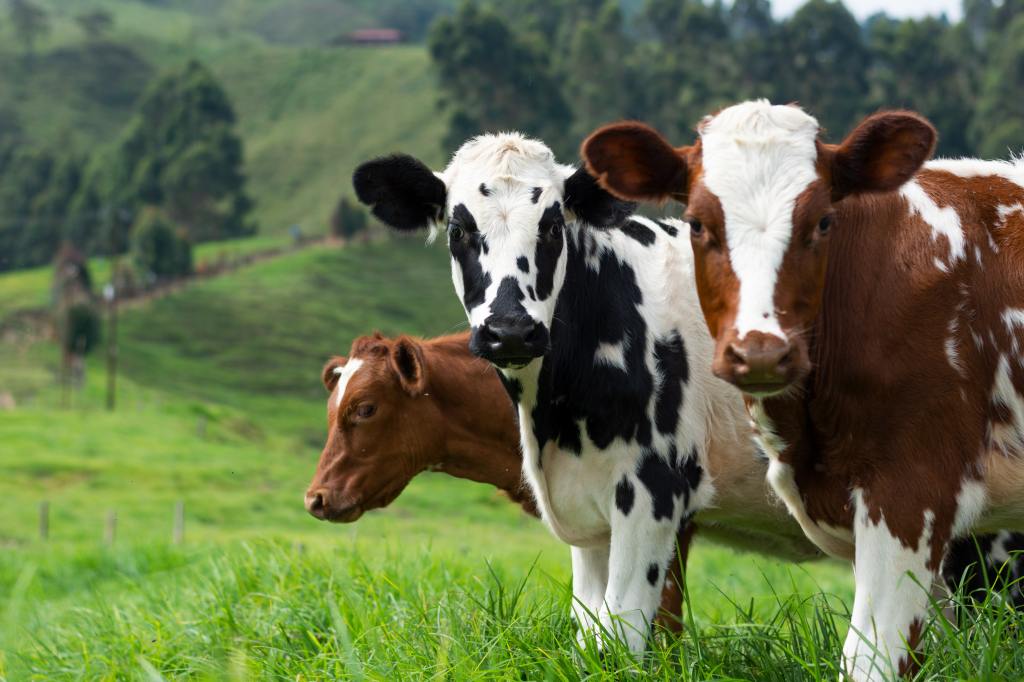
For this chapter in the series “Where do Greenhouse gasses come from” we talk about Agriculture. Agriculture is responsible, in terms of direct emissions, of roughly 18% of the total greenhouse gasses produced.
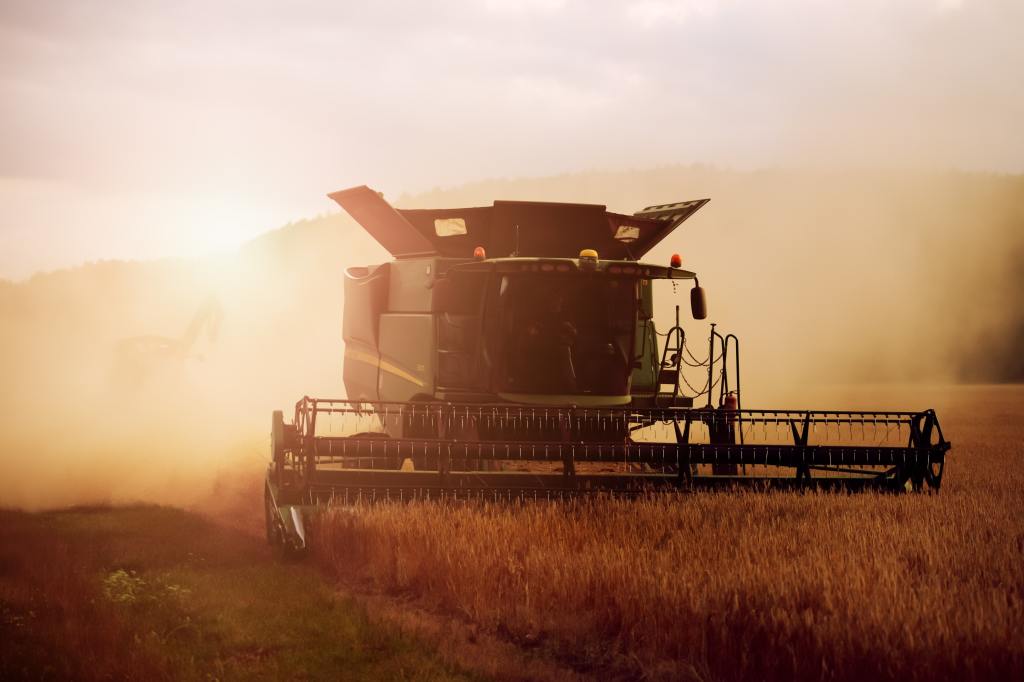
If we consider also the indirect emissions from powering agricultural machinery and fishing boats, we get to a staggering 20% of the total.
Feeding people is not a joke. Although the amount of waste in the food valuer chain is probably responsible for a non trivial part of this number.
So let’s get into the details.
According to our world in data, the breakdown of agricultural emissions is roughly this:
- Livestock and manure5.8%. Yep, cow fart, a lot. And they fart methane, which is a much more potent greenhouse gas than CO2
- Agricultural Soil: 4.1% this is mostly nitrous oxide, another potent GHG. When nitrogens are applied to soil in order to fertilize the land, this is the by-product in terms of emissions
- Croplands:1.4% this is the net result in the change of use in Cropland. Depending on management, cropland can absorb or release CO2. The latter seems to be more likely, though
- Deforestation 2.2% When we cut or burn down trees, the results is an increase of CO2(and a reduction in the capability of absorbing CO2…) who would have thought…
- Crop burning 3.5%. Burning the leftovers of crops such as corn, rice, or grains releases CO2. A decent bit of it.
- Rice cultivation, 1,3%. This is bit counterintuitive. Essentially by flooding rice fields, due to a process called “anaerobic digestion” in which organic matter in the flooded fields is converted into methane. However rice represents roughly 20% of the total calorie supply to the world, and feeds billions of people. So it is not too bad, after all.
So here we go, what does this list tell us? Essentially that increasing the proportion of plant based alimentation would be a win-win both for the environment and for the health of mankind.
Unfortunately, at global level, the opposite is happening. Whereas in developed countries meat consumption seems to have peaked, in developing countries, as more people get out of poverty, the amount of people converting to a higher proportion of animal-based diet is increasing.
Now, to be fair, the developing world sees still a fraction of the per-capita consumption of meat as in the industrialized world. But its population is increasing, and what matter for the environment is the total level of emissions, rather than the relative one.
There is a number of companies and government institution that are trying to tackle the problem.
One company that gave a giggle to the 15-years-old in me was Volta Greentech, a company based in Sweden that is trying to develop animal food based out of algae, with the intent of both reducing the amount of soil used by grassland and reducing the livestock burps(and farts). Quite clever, if inherently funny.
It is an interesting approach, however looking at the raw numbers connected with the issue, I believe this area requires a bit more than a tweak in the diet of livestock. If there is one area which needs to be completely re-thought, restructured and re-organized that is the food value chain.
For a number of reasons:
- Notwithstanding the gargantuan amount of food produced around the world, there is still a substantial amount of people going hungry. One in 7 children does not have enough food to live an healthy life, according to the UN. Solving this issue is paramount. Also because you never know how big of a contribution can these kids give to the world, if they are allowed to develop properly
- A few tweaks here and there might alleviate the issue, however the needs is there for a substantial reduction of GHG emissions. We are talking about a fifth of total emissions. There is ample space for improvement
- There is no justification, moral or otherwise, for the level of waste that there is in the food and agricultural industry. If we are to keep feeding the growing population of the world, this must stop. Stopping waste could shave as much as a fifth off agriculture-related emissions. A third of the global food produced is wasted, according to the UnEP(see: https://www.unep.org/thinkeatsave/get-informed/worldwide-food-waste)
So to summarize, making cow burp less is nice. Seriously reducing waste is the way to go, though. It seems like it is an unglamorous and ungrateful task. But is the only way forward.





 Chainergy
Leave a comment