
I was having a conversation with a friend about the absurd cost of a cup of Coffee in Switzerland.
This specific friend is not very versed on economic issues, so that has sparked a few thoughts on the common language usage of “cost” and “price”.
Especially when it comes to coffee. I believe it is important that people understand the difference between cost and price.
But Gennaro, the price for me is the cost to you etc, right?
Well, no.
I mean a cost is a measurement, price is not. A Bag of low end Arabica coffee, which is 2 pounds (roughly half a kg) has a cost of? 1.2 USD a bag?
Well, no. That’s the price. The cost of the coffee is the production cost for the farmer, plus the cost of the shipment. This might be lower than the price, or higher. When is higher a farmer makes money, when it’s lowers he does not.
Price is the perceived value of a product, and is much less measurable, since in the world, government contractors apart, very few businesses operate on a cost plus basis.
So to go back to my swiss friend, the cost of a coffee cup is crazy over here? Well the price for sure seems like.
However, once we factor in all the costs, it might start to make a little bit more sense.
So what is the cost of a cup of coffee?
- The beans, roughly 3 to 7 cents of a franc;
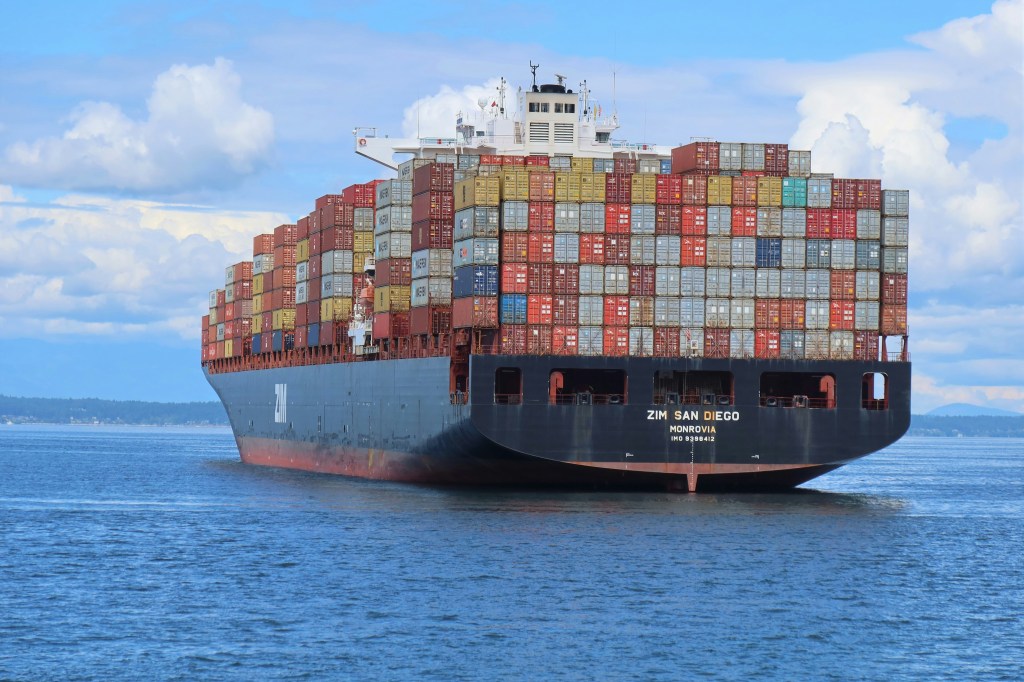
- The transport, about a cent or two;
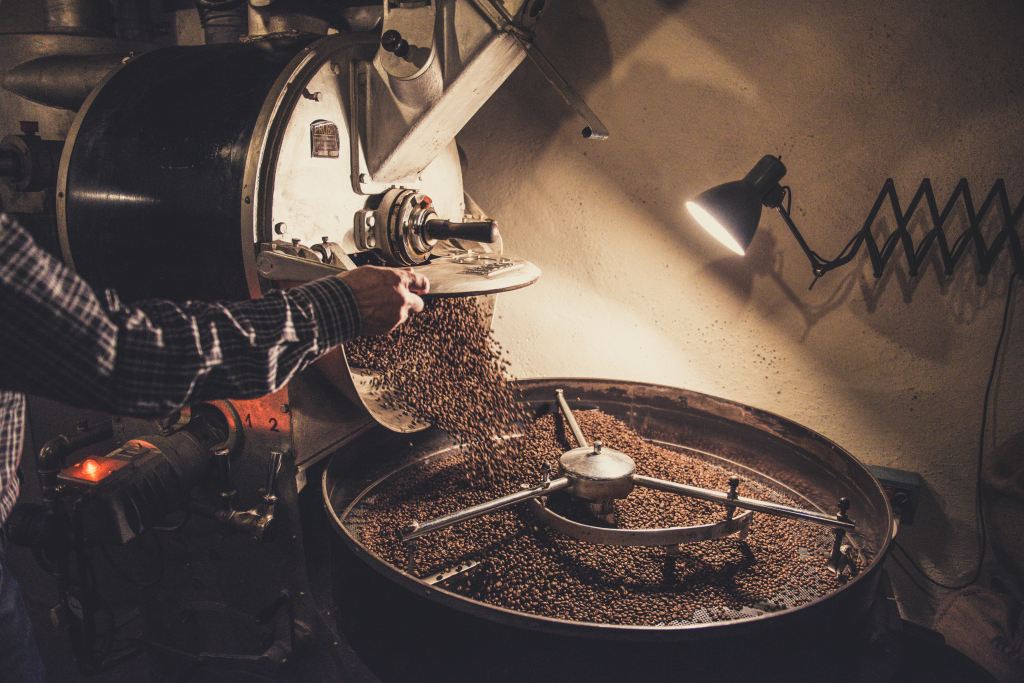
- The Roasters margin, roughly 5 to 10 cents depending on origin etc.
So the cost of the coffee itself is indeed pretty low. However to get that coffee in your hand, there is the cost of the staff, which in Switzerland can be easily 80 cents. And the rent, another 50 to 80 cents. So if we think about our 4 francs coffee, it is safe to assume that the cost of the coffee cup in your hand is easily going to be 2 to even 3 francs.
Which means that the margin for the shop is interesting, but not that high. In the end that’s still gross margin not including indirect taxes (VAT, 7%), direct taxes, and a minimum of remuneration.
Plus we are still imagining a world in which our coffee shop is sourcing coffee directly from a roaster.
More often than not, that’s not the case, hence the margin is further squeezed. Because also the marketing activity of the roasting company (think: Lavazza) and the margin for the distributor.
Essentially, everything considered, when you are drinking coffee you are not purchasing the liquid stuff: You are purchasing a cup of overheads with a side of marketing.
This is not per se wrong. It’s capitalism baby.
As someone more versed in marketing than myself will be prompt to say, consumers are not purchasing the commodity, they are purchasing “the experience”.
Hence the ability of a company like Starbucks of overcharging you for a pretty mediocre product (at least on a pure “coffee basis”).
At the end of the day, there seems to be a consistent trend along economic history under which consumers first look for commodities (think Agricultural societies) then for products (Industrial age) and finally, with customization and marketing, for “experience”, and “authenticity”.
That’s all great fellas.
But at the end of the day this has become way too much of an inverted pyramid.
And without a fair remuneration to the lower level, ie the commodity, the entire pyramid might fall apart.
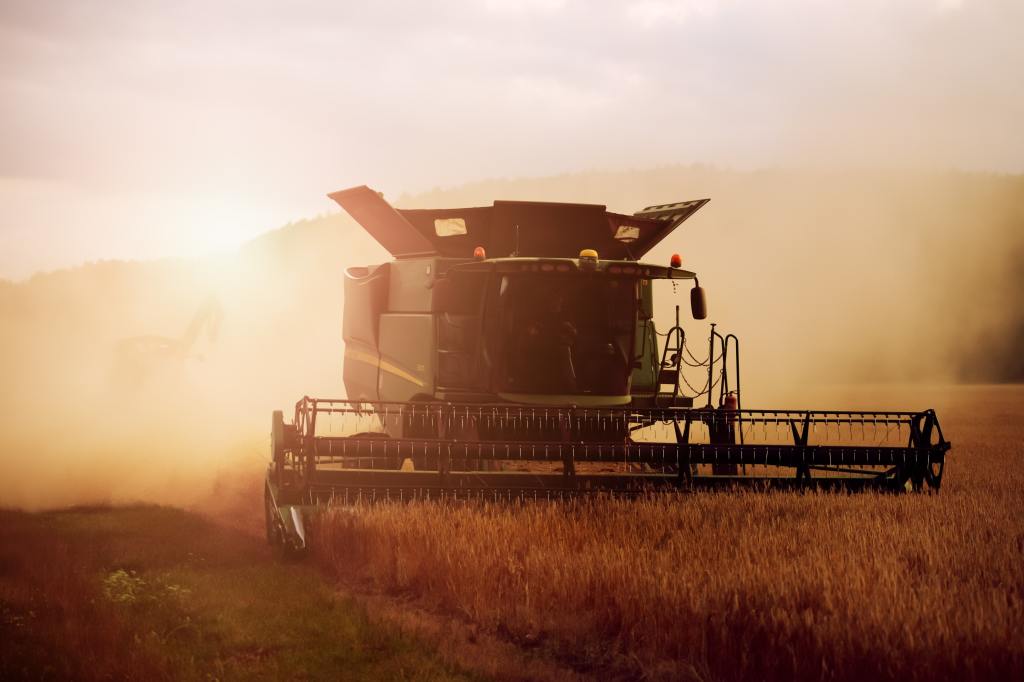
How? At the current price, farmers are struggling to a level that hasn’t been seen for years.
On top of this, with climate change, productions are less predictable and unprecedented condition might wipe entire seasons’ harvest, not too mention drive the cost of insurance through the roof.
Which means that, no offense to my marketing friends, we need to seriously reconsider the way we price our “Experience”.
Because the alternative might become in the future that we can just purchase marketing and overheads, but not the product itself.
If we can’t ensure the farmers a proper margin, that cover their costs and allows them for making a living, the entire supply chain might fall apart.
And an added bonus of paying people a fair price, would reduce the need for “assistance” for the countries where coffee is actually produced, which tend to be on the poor side of the spectrum.
And maybe that will allow them to invest in better crops, and paying their workers a better wage.
Creating a win-win for everyone.
So next time, my dear friend, you complain about the cost of your overpriced latte, spare a thought to the difference between Price and cost. And spare a thought for all the people that are doing the “low value added” work, without which you would have an empty cup.
Have a great week, fellas.




 Chainergy
Leave a comment