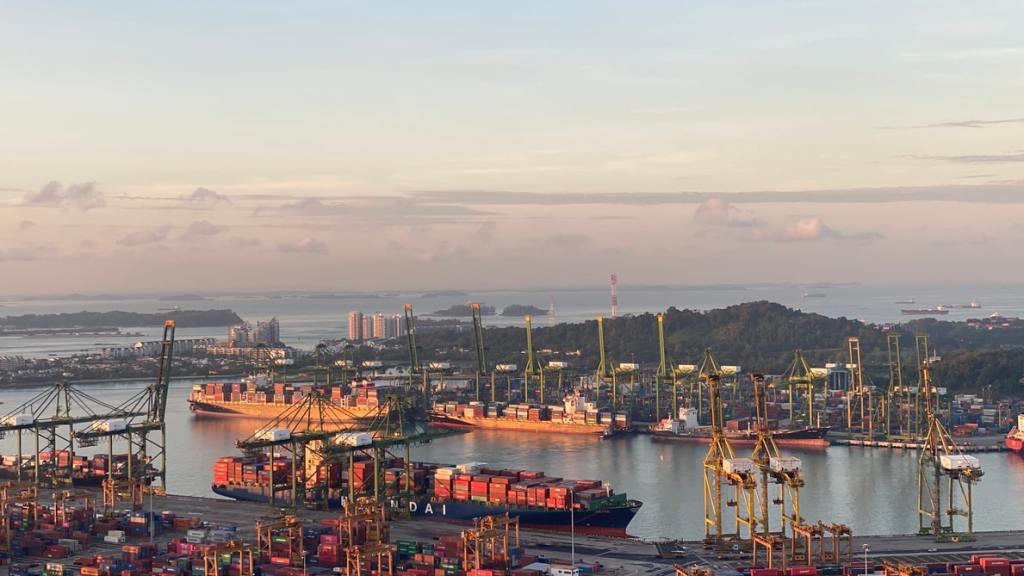
Another trading company is collapsing under the weight of fraud and inflated results.
The Hin Leong is, according to various sources, potentially going out of business and some troubling stories of widespread fraud are emerging.
The most common of which seems depressingly old school: forging documents.
Essentially the company had accumulated and hidden losses for years, and was able to keep functioning by generating cash by defrauding banks through the forgery of Letter of Credits and other documents by which it would gain cash by posting as collateral goods that were either non existent or already sold to someone else.
Or very often what was forged was the sale itself.
How this work is simple, the company would produce bogus bills of lading or bogus storage documents that would use a s a collateral to obtain debt financing.
It is so easy it makes me cringe. And yet it is consistent with my experience as an auditor and investigator: this industry is so old school it defies belief.
Paper, paper and more paper. And emails. No wonder that is so easy to put together a fraud scheme.
And before you think that the defrauded people were simple or unexperienced people, think again.
The banks that seem to be affected by the scandal include the likes of ABN AMRO and HSBC, which are amongst the biggest players in commodity finance.
And before you think this is a small unknown company, Hin Leong boasts to own the biggest storage terminal in Asia, with 2.3 million cubic meter of capacity. It has also one of the biggest Fuel oil trading and Bunkering desks (I wonder why fuel oil is always present when there is fraud, see OW…)
However even such sophisticated banks rely on practices which are oh so last century.
And reality is, fraud is one, although not the in reason, while many banks are exiting the trade finance business in general, and commodity finance business in particular, altogether.
The need for digitalization
This story, if confirmed, points strongly in one direction: the commodity industry must push harder towards digitalization.
I don’t know if Blockchain solutions such as Komgo are the do all/end all solution for this kind of trade finance headache, but for sure are a step in the right direction.
The question I would like to have answered though is why the adoption of new technologies is so slow.
There are enormous gain potentially to be squeezed just by making the processes more efficient.
And a true blockchain solution would for sure reduce the need for trust building(contrary to popular belief blockchain does not build trust: it makes it unnecessary by giving access to record to everyone, and that’s why I believe private ledger are essentially pointless).
I will follow up on this story as the fact evolve. I believe this company can and will probably be saved as it possesses a quite impressive asset base.
However what will emerge will be something much smaller.
And hopefully will, in case was still necessary, convince bank and trading houses to accelerate investment in digital technologies. It is becoming a matter of survival, really.
Especially more banks get out of the business and Credit becomes scarce.









 Chainergy
Leave a comment