
Chronicle of a fail in the times of global pandemics.
Last week finally closed my company and call it a day. My dreams of entrepreneurship and success got shattered against, of all things, a virus(and logistics, actually). And a distinct case of Dunning Kruger effect. And a bit of lack of planning. And a questionable strategy.
So there I am. I failed. I could say it’s the fault of the Corona Virus, but it is not really. That has only precipitated a business idea that was flawed to begin with, I just could not see it when I started. But Hindsight is always 20/20.Hence I have decided to write a small chronicle of it so that maybe someone might draw some lessons from my story, as we are inevitably biased towards success stories, but there is quite a bit to learn from when things do not go as planned. And I think in my story there are also some lesson on how to do things in life in general, I believe.
I am writing this article hoping it will help someone not to make the same mistake I did, and also to “get it out”. It is not nice to fail. Actually, it sucks.
However, If I am here and I can waste my time writing this article is because, although the business itself has failed (for now) it’s because I have not thrown a decent amount of prudence out of the window. And this is maybe the silver lining: be careful when people advice you to go “all-in”. In the sense that you should go all in only with the money you can afford to lose. But I am digressing.
So let’s start with the basic question: Why someone in his 40s with a very decent corporate career on his back would decide to pivot completely and become an entrepreneur?
First, the background: At 40 and few years old I felt I had run my course in corporate world. I fancied calling myself an entrepreneur (who does not?) and I wanted to, literally to take ownership of my life.
I started to look around for business ideas in the online world. Seemed to me that most of the business ideas where about selling ways to “make money online” and not much else. Take drop shipping: I would be very surprised to learn than any of the “gurus” make any money on anything other than selling courses on how to make money with Drop shipping.
So I decided to go old school, since I am not well versed on online business but I do have a certain understanding of the commodity market.
So here is how I developed my plan.
The plan: a passion for alkaloids.
I must confess that ever since I remember I always had a passion for alkaloids. I started with Theobromine as a child almost. And before you jump to conclusions, theobromine is the alkaloid find in chocolate, so you are probably as addicted as I am.
Then I wen on with Caffeine. I am Italian after all. I also started to enjoy nicotine, though I have dropped smoking long ago, I still enjoy the odd cigar.
And I cut my teeth, professionally speaking, in commodities, so I thought I knew a thing or two about international trade(turns out I do know indeed a thing or two. Only sometimes I ignored my own advice). And my other passion in life, both academically and workwise, is international trade.
So it was just natural to try to turn this passion in a full-time job. Why not?
So the plan was simple. Provide high quality alkaloids at an affordable price. Which meant essentially source high quality cocoa, coffee and tobacco (I was thinking to eventually expand in other product lines such as cannabinoids and spirits, but only at a second stage).
The plan was as well to start on a strict B2B channel strategy, as B2C requires substantial investment in marketing, something that, to this day, I have a very hard time understanding. Play on your strength, they say.
In terms of market, as a finance person, I devised a simple strategy:
- Set up a company in Switzerland (where I reside)
- a branch in Latvia (taking advantage of cheap labor, cheap storage and low taxes) which is logistically close to high income markets that I wanted to serve and where I have contacts
- And finally, the markets: Finland, that has the highest per-capita consumption of coffee, Sweden, Denmark and maybe Poland and the Baltics themselves.
Logistically made a lot of sense. I could import goods into Latvia (which is part of the EU) store them and move them around the Baltic via ship (again very convenient) while keeping taxes and overheads reasonably low.
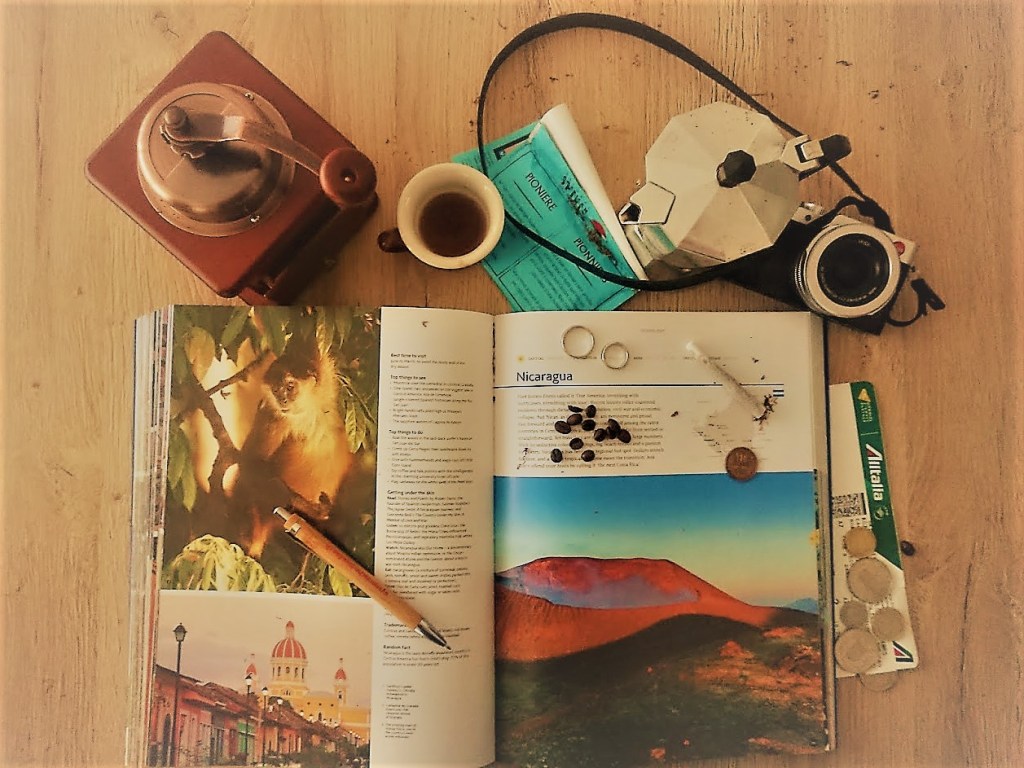
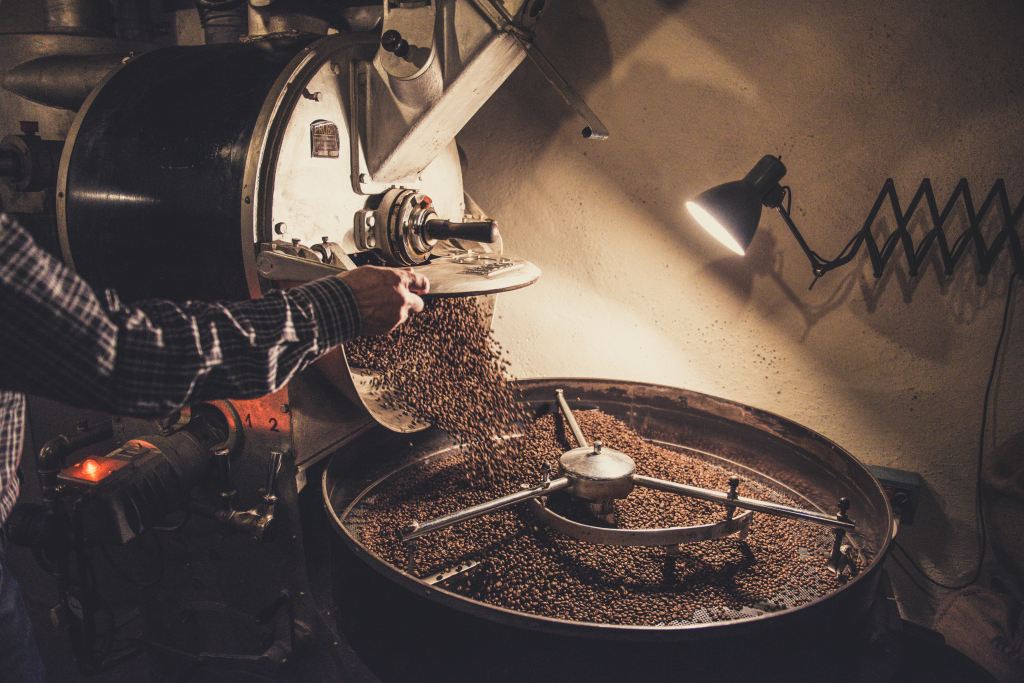
I have contacts in central America (Nicaragua and Guatemala mostly) to source high quality Arabica beans (which if not roasted, have a decent shelf life) and in Africa to source Cocoa. Or I could source directly Cocoa semi-finished goods here in Switzerland.
Sound like a good plan, right? Well, did not work as intended.
Setting up the companies and renting the storage was actually a surprising painless experience. Actually the government of the diminutive Baltic country (by size) is incredibly efficient and business friendly.
Same goes for Switzerland, especially in Canton Zug the public administration is incredibly friendly and efficient.
So by October last year, after severing my links with Canada Goose and attending the birth of my beautiful daughter I was set up and ready to go.
I had invested well within my means, and the strategy looked, at least in my head very sound.
I had visited a few roasteries in Helsinki and in Stockholm/Copenhagen/Malmoe area and I received a reasonably good feedback for the qualities of coffee I thought of importing.
And as a back-up plan I set up an account on Algrano, a start-up based in Zurich that is doing a great job in Ethically sourced coffee. What could possibly go wrong?
(continue in part 2)







 Chainergy
Leave a comment